

What is working capital? Formula, ratio and examples

Alternatively, companies may shorten the time it takes to collect sales made on credit. Companies also have different guidelines on which investments are considered capital expenditures, potentially affecting the computation of FCF. Financial analysts use financial ratios to track a company’s financial performance over time, benchmark against peers, and support investment or credit decisions. Financial ratios are calculations that compare two figures from a company’s financial statements to assess the financial health of the business. Financial ratio analysis is the process of evaluating a company’s performance by examining key ratios across liquidity, profitability, leverage, and efficiency.
Working capital: Definition, formula, & management tips
Hence, the working capital ratio analysis is a significant tool for assessing the short-term financial viability and liquidity of a company. It helps management make informed decisions about resource allocation, and it assists investors and creditors in evaluating an organization’s creditworthiness and financial stability. The working capital ratio is sometimes referred to as the current ratio. This is because it takes into account current assets and liabilities, which are typically expected to be converted into cash within a year. For example, if your business has $100,000 worth of current assets and $60,000 of current liabilities, it has $40,000 of working capital. You can find your current assets and current liabilities on your balance sheet.
What is the importance of calculating working capital?
When people talk about working capitals in casual business conversations, they usually mean this buffer that keeps operations smooth, accrued expenses. Conversely, negative or low working capital may be signs your working capital needs attention. Such conditions could hinder your company’s ability to sustain operations and may require strategic adjustments to improve financial stability.

How Can a Company Increase its Working Capital?
- Banks, investors, and even suppliers glance at it before trusting a company.
- Working capital is also an indicator of a company’s operational efficiency, as companies that have high amounts of working capital can decide to use this to grow.
- The risk is that when working capital is sufficiently mismanaged, seeking last-minute sources of liquidity may be costly, deleterious to the business, or, in the worst-case scenario, undoable.
- Additionally, having positive free cash flow indicates that a company is capable of paying its debts.
- Sometimes, the payment terms agreed upon with the client are huge, like 75 days or 90 days, slows down the cash receivables.
Increasing sales typically leads to additional cash requirements to purchase inventory and finance new accounts receivable. That means your business will find itself financing accounts receivable for some time until https://ablazeutk.com/new-2025-tax-rates-and-thresholds/ they are paid up. In other words, you’ll need enough working capital to meet your company’s needs. This is measured by dividing total current assets by total current liabilities. An unsecured, revolving line of credit can be an effective tool for augmenting your access to capital. Lines of credit are designed to finance temporary working capital needs.
- Also, in this case, they might request clients to reduce the payment terms for future contracts, which will surely improve the cash flow and eventually WCR on the company.
- The working capital ratio is a key indicator of a company’s liquidity, offering insight into its ability to meet short-term obligations.
- That means your business will find itself financing accounts receivable for some time until they are paid up.
- In this case, the business has $50,000 in working capital, reflecting available funds for daily operations and growth opportunities.
- Working capital evaluates the difference between current assets (like cash, accounts receivable, and inventory) and current liabilities (such as accounts payable and short-term debt).
This working capital formula result suggests healthy working capitals, assuming inventory moves and receivables collect on time, cash flow forecasting. Finally, working capitals help reduce financial anxiety and cash flow forecasting aligns with reality, leaders can focus on growth instead of survival, financial obligations. When leaders know how much buffer exists, decisions feel calmer and less reactive. Weak working capital forces rushed loans, delayed supplier payments, or tough negotiations.
It helps to analyze the financial health of any firm and if it could pay off current liabilities with current assets. Working capital measures funds available for daily operations (current assets minus current liabilities). Free cash flow is cash left after covering major expenses, while cash flow tracks all money moving in and out of the business.
How to manage working capital in a growing business
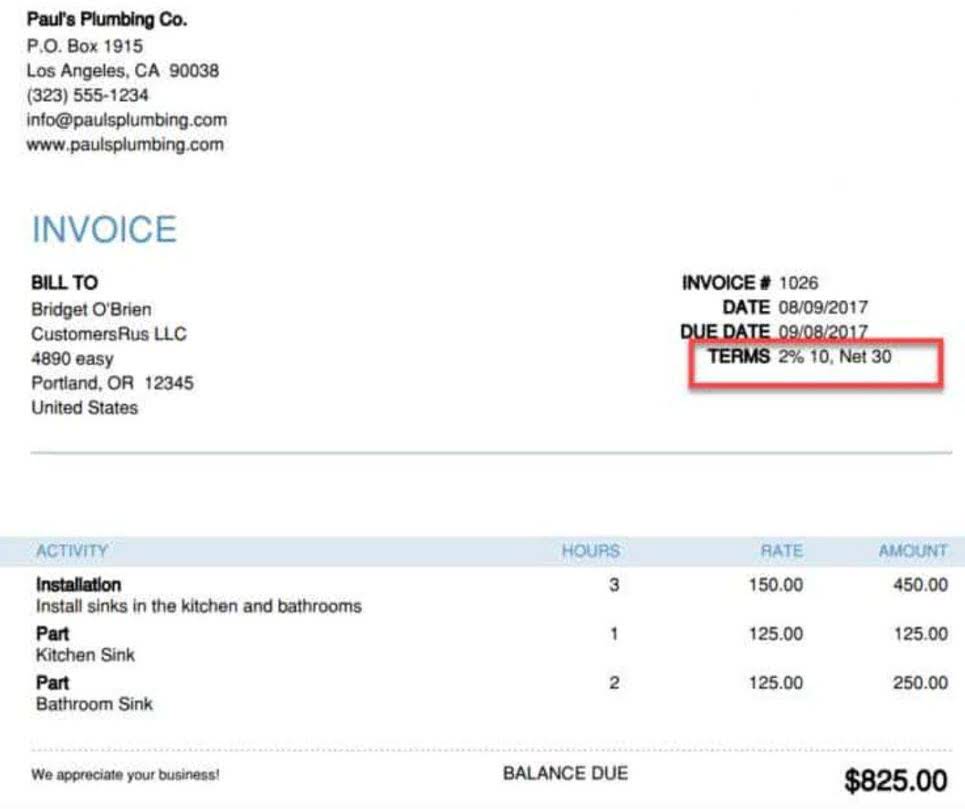
DCF models value companies based on the timing and the amount of those cash flows. Compared to net income or other accrual accounting-based measures, free cash flow is more appropriate for showing a company’s potential to produce cash. Take your analysis skills to the next level with CFI’s Financial Ratios Definitive Guide. This free resource covers 30+ essential metrics that will strengthen your ability to assess a company’s financial health. working capital ratio Yes, working capital can be considered an investment element, as efficient working capital management can improve liquidity and enable the company to invest in new opportunities.
What is Invested Capital?

The calculation of the net working capital ratio would indicate a positive balance of $300,000. The total current assets of a company are referred to as the gross working capital. The assets that can be converted into cash within a year are known as a company’s current assets. In addition to cash and bank balances, they also include inventories, accounts receivable, short-term investments, and marketable securities. The working capital ratio, often referred to as the current ratio, is a fundamental financial metric that plays a vital role in assessing a company’s short-term financial health and operational efficiency. It provides valuable insights into an organization’s ability to meet its short-term obligations and manage its day-to-day operations effectively.

It is a measure of liquidity, meaning the business’s ability to meet its payment obligations as they fall due. Working capital management is an accounting strategy that helps businesses maintain a healthy balance between current assets and liabilities. In financial accounting, working capital is a specific subset of balance sheet items and is calculated by subtracting current liabilities from current assets. The net working capital to sales ratio, or working capital turnover ratio, is calculated by dividing sales revenue by working capital, which is derived from subtracting current liabilities from current assets. It shows how well a unearned revenue company can generate sales from its working capital.
Please contact for more information:
 Lawyer: Nguyen Thanh Ha (Mr.)
Mobile: 0906 17 17 18
Email: ha.nguyen@sblaw.vn
Lawyer: Nguyen Thanh Ha (Mr.)
Mobile: 0906 17 17 18
Email: ha.nguyen@sblaw.vn