

Finding freedom from gambling addiction A recovery journey
Finding freedom from gambling addiction A recovery journey
Understanding Gambling Addiction
Gambling addiction, also known as compulsive gambling, is a complex condition that affects individuals on multiple levels—psychologically, emotionally, and socially. It manifests as an uncontrollable urge to gamble despite the negative consequences that may arise. This addiction often stems from a combination of psychological factors, including a desire for excitement and a misguided belief that one can control or predict the outcome of games of chance. Many players turn to premium platforms like oreelscasino-uk.com/ where the thrill of gaming can maximize their overall experience.
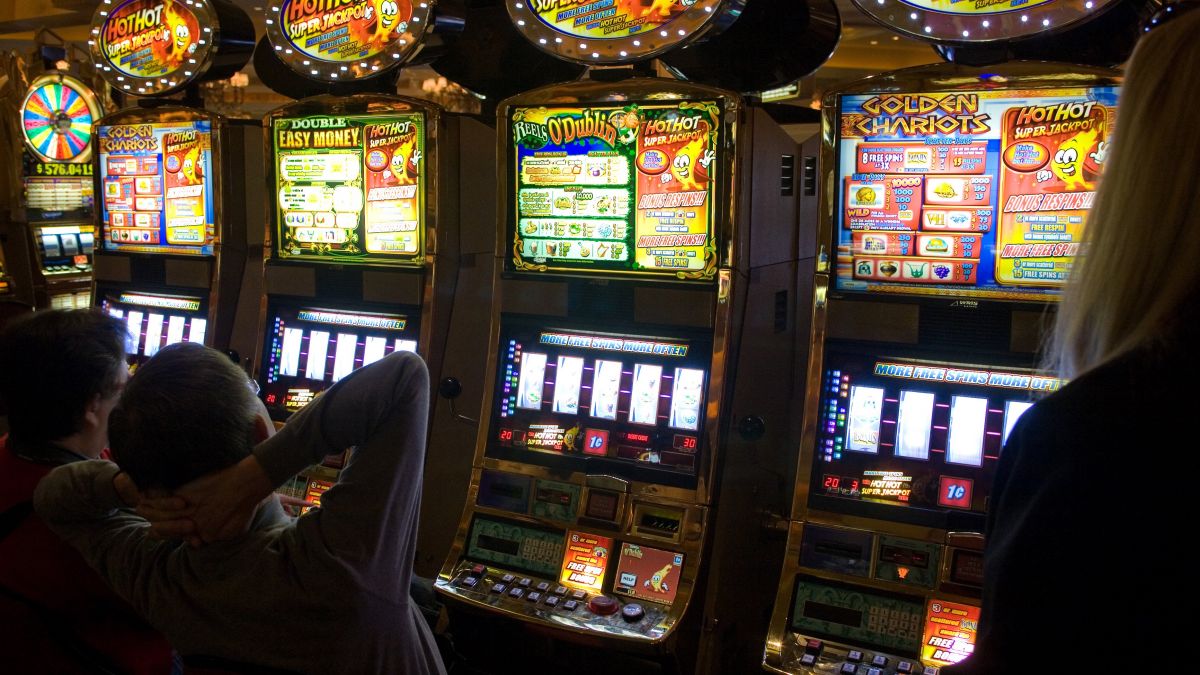
The psychological lure of gambling can be particularly strong. Many individuals find that the thrill of risking money and the potential for a big win creates a euphoric sensation. However, this pleasure is often short-lived and can lead to a cycle of chasing losses, where the individual feels compelled to gamble more to recover lost funds. This cycle perpetuates the addiction, making it increasingly difficult to break free.
Understanding gambling addiction requires acknowledging its multi-faceted nature. It is not merely a habit but a significant mental health issue that can lead to severe financial, relational, and personal repercussions. Recognizing these elements is crucial for anyone on a recovery journey, as it allows for a deeper understanding of the patterns and triggers associated with compulsive gambling behavior.
The Impact of Gambling Addiction
The impact of gambling addiction extends far beyond the individual. Families and friends often bear the brunt of the fallout as relationships deteriorate under the strain of deceit, financial instability, and emotional turmoil. The emotional distress that accompanies gambling addiction can lead to feelings of isolation, anxiety, and depression for both the gambler and their loved ones, creating a ripple effect that touches many lives.
Financial consequences are also significant. Compulsive gamblers may find themselves in severe debt, which can lead to bankruptcy, loss of savings, or even legal issues. The temptation to borrow money from family or engage in illicit activities to fund gambling can further exacerbate the situation, creating a cycle of dishonesty and desperation that is difficult to escape.
In addition to personal and financial ramifications, gambling addiction can take a toll on physical health. Stress and anxiety associated with the addiction can lead to various health problems, including insomnia, headaches, and gastrointestinal issues. As individuals prioritize gambling over their well-being, their health often deteriorates, compounding the already serious challenges they face in their recovery journey.
The Path to Recovery
Embarking on the recovery journey from gambling addiction involves multiple steps, starting with recognizing the problem. Acknowledgment is a critical first step, as it often requires individuals to confront the reality of their situation and accept that change is necessary. Many individuals benefit from self-reflection, either through journaling or engaging in conversations with trusted friends or family, to illuminate the extent of their gambling behaviors.
Seeking professional help is another pivotal aspect of recovery. Treatment options may include therapy, support groups, or even medication in some cases. Cognitive-behavioral therapy (CBT) has been particularly effective for many individuals, as it helps change the thought patterns that contribute to compulsive gambling. Support groups provide a safe space for sharing experiences and strategies, fostering a sense of community and understanding.
Setting practical goals is essential for maintaining focus throughout the recovery process. These may include financial budgeting, establishing a support system, and avoiding triggers that lead to gambling. While the road to recovery can be long and filled with challenges, having a structured plan enables individuals to move forward with purpose, gradually reclaiming control over their lives.
Coping Strategies for Long-Term Success
Implementing effective coping strategies is vital for sustaining long-term recovery from gambling addiction. One effective approach is engaging in alternative activities that provide joy and fulfillment without the need for gambling. Hobbies such as sports, art, or volunteering can create positive experiences, helping to fill the void left by quitting gambling.
Developing a robust support network also plays a crucial role in long-term recovery. Friends, family, and support groups can provide encouragement and understanding, particularly during moments of temptation. Regularly attending support meetings can keep individuals accountable and reinforce the commitment to recovery. Sharing victories, no matter how small, helps create a sense of achievement and strengthens resolve.
Lastly, mindfulness and stress management techniques, such as meditation or yoga, can be powerful tools in a recovery toolkit. These practices can help individuals manage cravings, anxiety, and the emotional fallout from gambling. By nurturing mental well-being, individuals can create a foundation for lasting change and increase their chances of staying free from gambling addiction.

Resources and Support Systems
Many resources and support systems exist for those seeking to overcome gambling addiction. Numerous organizations provide assistance, such as Gamblers Anonymous, which offers support and guidance from those who have successfully navigated similar challenges. These groups promote a sense of belonging and understanding, essential components of the recovery process.
Online forums and hotlines are also available, providing immediate support for individuals in distress. These platforms often feature trained professionals who can offer advice and help locate local treatment facilities. Access to these resources is invaluable, as it ensures that individuals have a safety net when facing difficult moments during their recovery journey.
Education about gambling addiction is another vital resource that can aid in recovery. Books, articles, and online materials can enhance understanding of addiction and its effects, equipping individuals with knowledge and strategies for overcoming challenges. The more informed one is about their condition, the better prepared they will be to implement effective coping strategies and achieve lasting recovery.
Please contact for more information:
 Lawyer: Nguyen Thanh Ha (Mr.)
Mobile: 0906 17 17 18
Email: ha.nguyen@sblaw.vn
Lawyer: Nguyen Thanh Ha (Mr.)
Mobile: 0906 17 17 18
Email: ha.nguyen@sblaw.vn